Mental Performance Training Working for Elite Athletes
🏊♂️ Michael Phelps
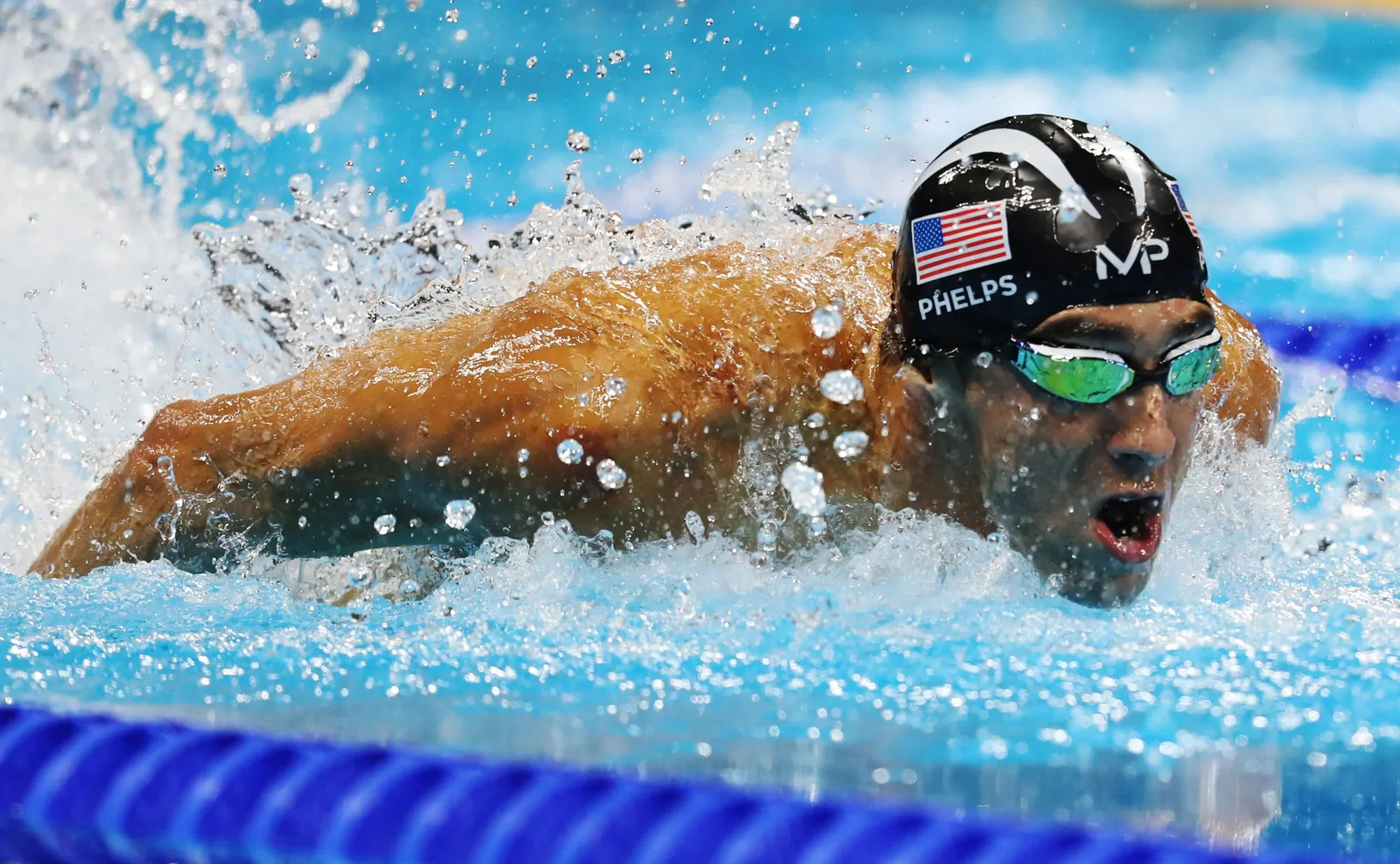
Michael Phelps, the most decorated Olympian of all time, didn’t just rely on physical talent—he trained his mind as much as his body. Early in his career, Phelps struggled with anxiety, pressure, and even depression. He admitted he was skeptical about mental training at first, but once he embraced it, it became a game-changer.
With the help of a mental performance coach, Phelps practiced techniques like:
Visualization – He would mentally rehearse entire races, down to the smallest detail, including how he would respond if something went wrong (like his goggles filling with water).
Controlled Breathing – To calm his nerves before races and stay composed under pressure.
Positive Self-Talk – To build confidence and silence doubt.
Phelps has publicly said that mental training gave him an edge—not just in winning medals, but in managing emotions, bouncing back from failure, and handling the pressure of the Olympic spotlight.
Now, he advocates for mental health awareness and encourages young athletes to prioritize their mindset just like their muscles.
🤸♀️Simone Biles
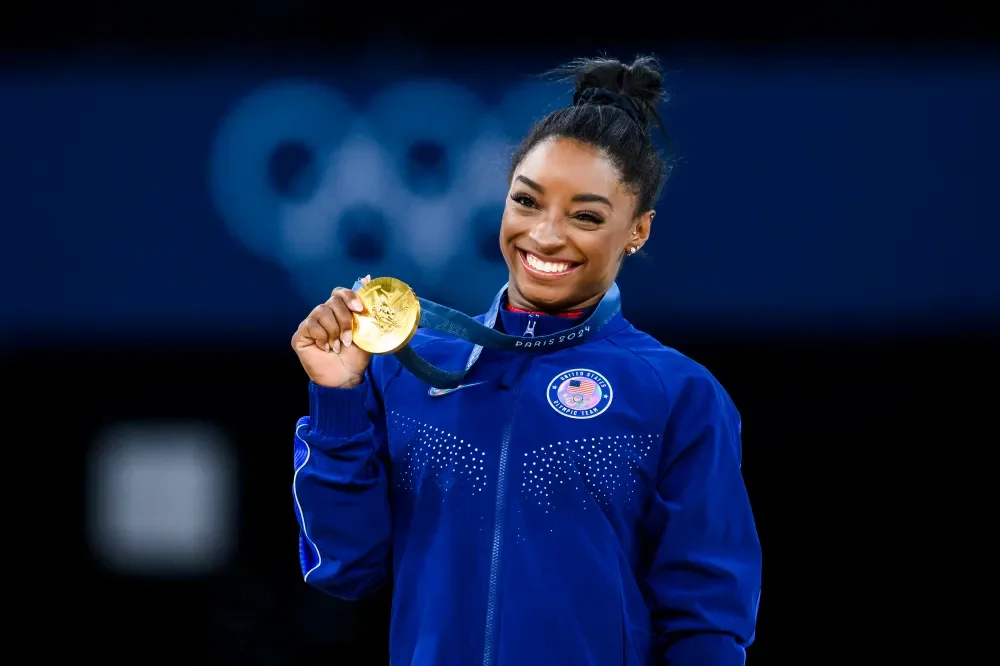
Simone Biles didn’t just train her body — she trained her mind. Early in her career, she worked with a sports psychologist to build confidence and overcome fear. Mental skills like positive self-talk, visualization, and staying calm under pressure helped her perform at her best.
At the Tokyo Olympics, Simone made headlines when she stepped back from events to protect her mental health. Instead of pushing through, she listened to her mind and body, showing the world that mental strength is just as important as physical strength.
Since then, she’s continued using therapy and mental exercises to regain confidence and perform with joy. Her story proves that taking care of your mindset can help you bounce back stronger and reach new heights.
Go to Athlete Stories for more inspiring stories!